
Thermal insulation for roofs and ceilings in tropical conditions
HeatSHIELD helps keep indoor spaces cooler and more comfortable by reducing heat transfer through the roof — the largest heat load in most Philippine buildings — while easing the demand on air-conditioning systems.
Control heat where it matters most
Applied where the heat enters
In tropical buildings most unwanted heat arrives through the roof. HeatSHIELD is applied where roof heat enters the building, helping reduce the heat transferred to the space below.
Lowers air-conditioning demand
By reducing heat transfer into the building, HeatSHIELD can lessen the demand on air-conditioning systems — helping maintain comfortable indoor conditions more efficiently.
Seamless around penetrations
Sprayed or blown application closes around purlins, hangers, ducts and pipework — helping create more continuous coverage across complex roof and ceiling areas.
Made for humid conditions
Borate-treated cellulose resists mold and pests and is engineered for humid tropical service rather than temperate-climate assumptions.
Non-corrosive to metal
Formulated to be non-corrosive to the metal purlins, sheeting and fixings it sits against — important where insulation is in permanent contact with structure.
Finish to suit the space
Left as-is in concealed roof spaces, or finished — including white — where the underside of the roof is part of the architecture.
Where HeatSHIELD performs
Acoustic & thermal data
IFI cellulose, tested to ASTM C423 on solid backing. Performance varies with installed thickness; final specification is determined according to project requirements.
| Thickness | Imperial | R-Value | NRC |
|---|---|---|---|
| 16 mm | 5⁄8″ | 2.2 | 0.55 |
| 25 mm | 1″ | 3.6 | 0.75 |
| 38 mm | 1½″ | 5.5 | 0.90 |
| 50 mm | 2″ | 7.2 | 0.95 |
| 64 mm | 2½″ | 9.2 | 1.00 |
| 76 mm | 3″ | 10.8 | 1.00 |
R-Value is thermal resistance in imperial units at the stated thickness (nominally R-3.6 per inch). The same cellulose material also provides acoustic absorption; NRC values are shown as an additional performance characteristic.
HeatSHIELD installed
HeatSHIELD case studies
Private Residence
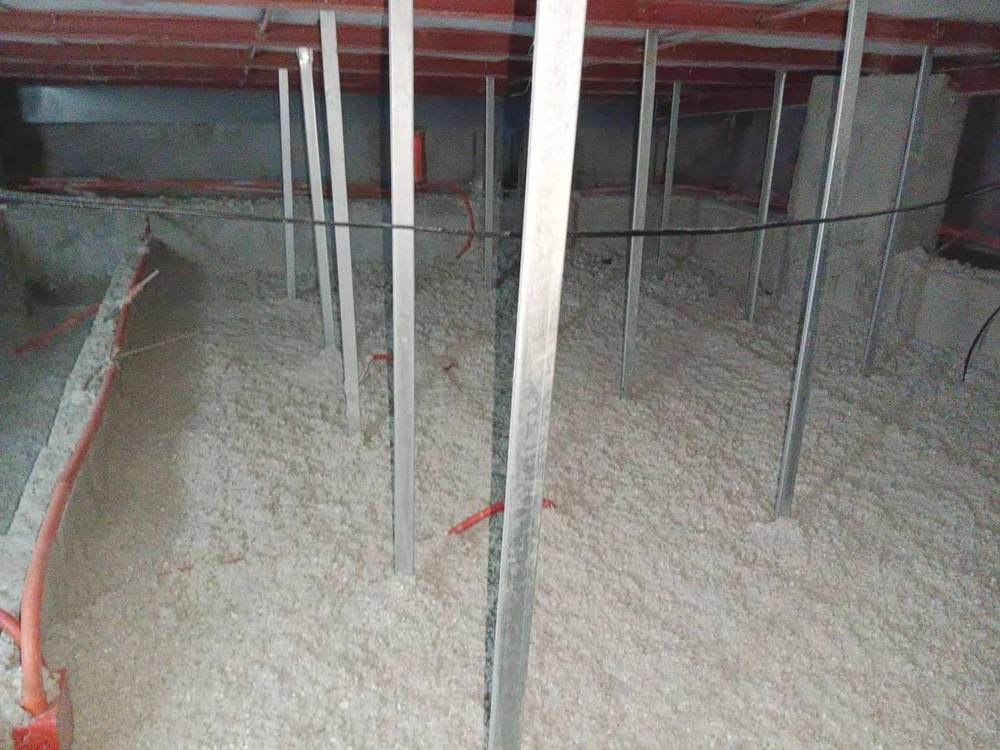
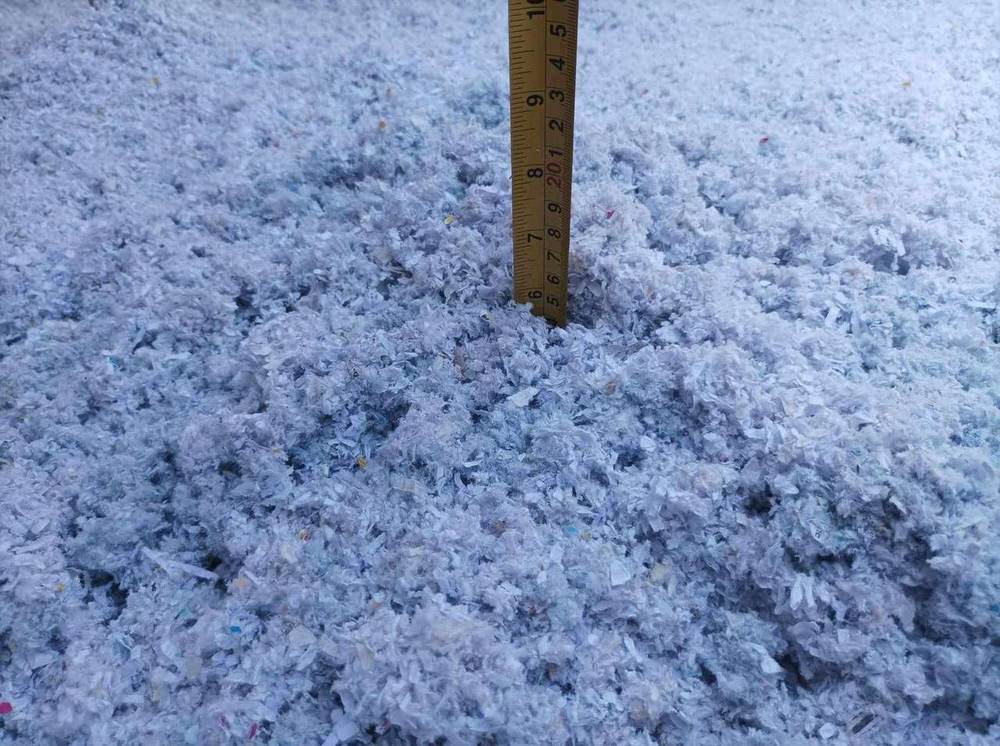
Attic filled with 6″ of HeatSHIELD — R-21.6 above the ceiling line, to reduce heat transfer and support lower cooling demand.
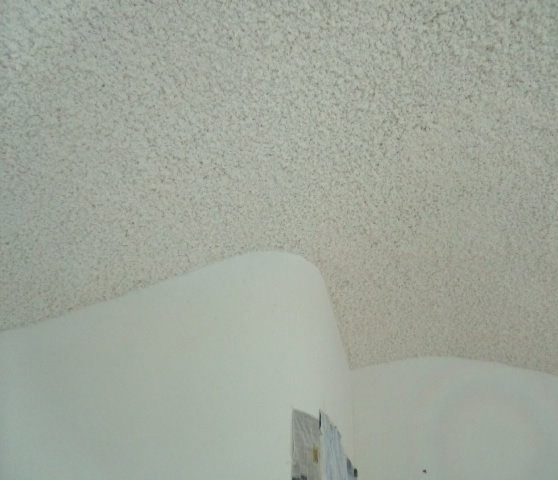
Residence
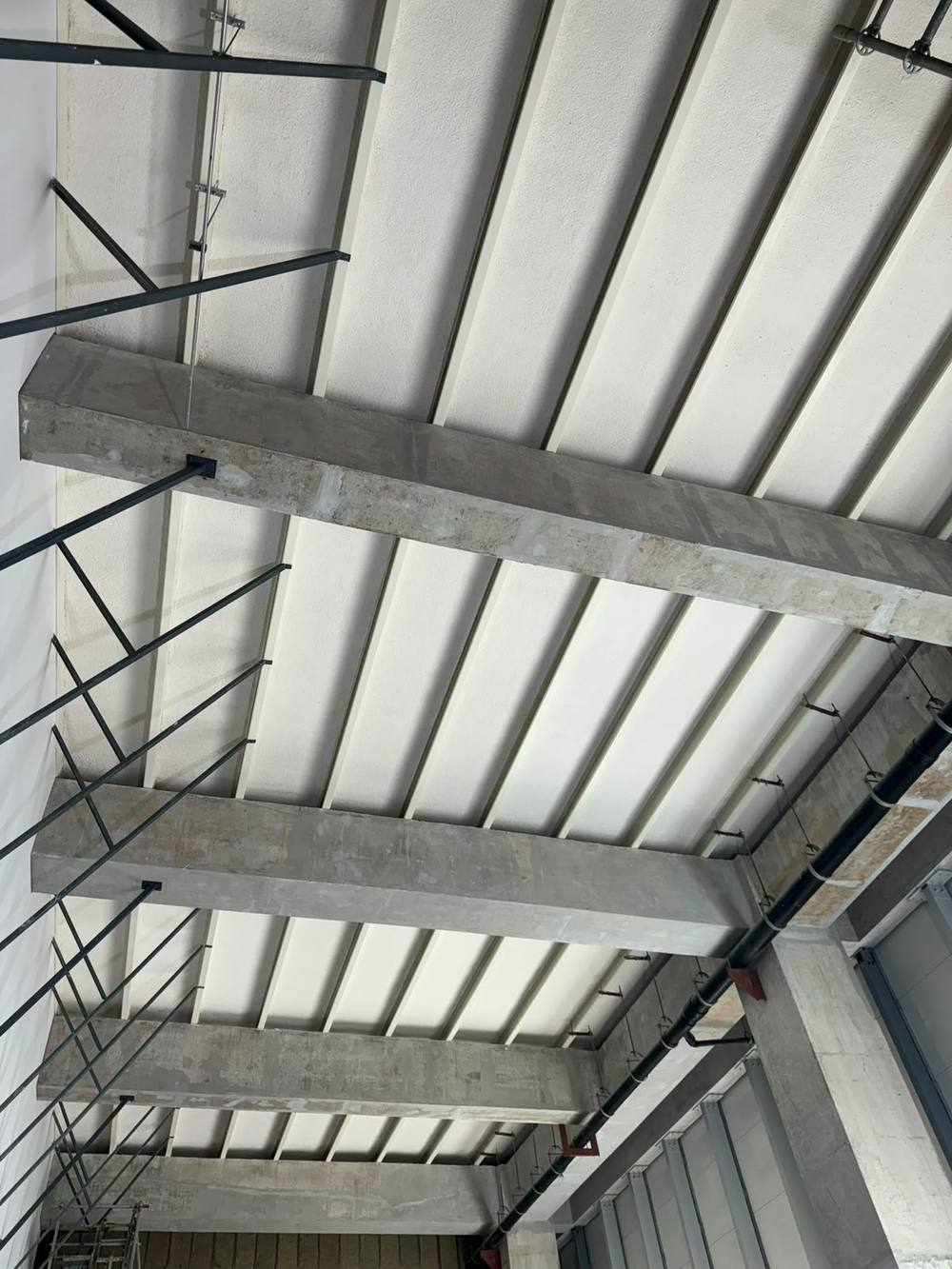
Combined thermal and acoustic install, finished in white for exposed architectural ceilings.
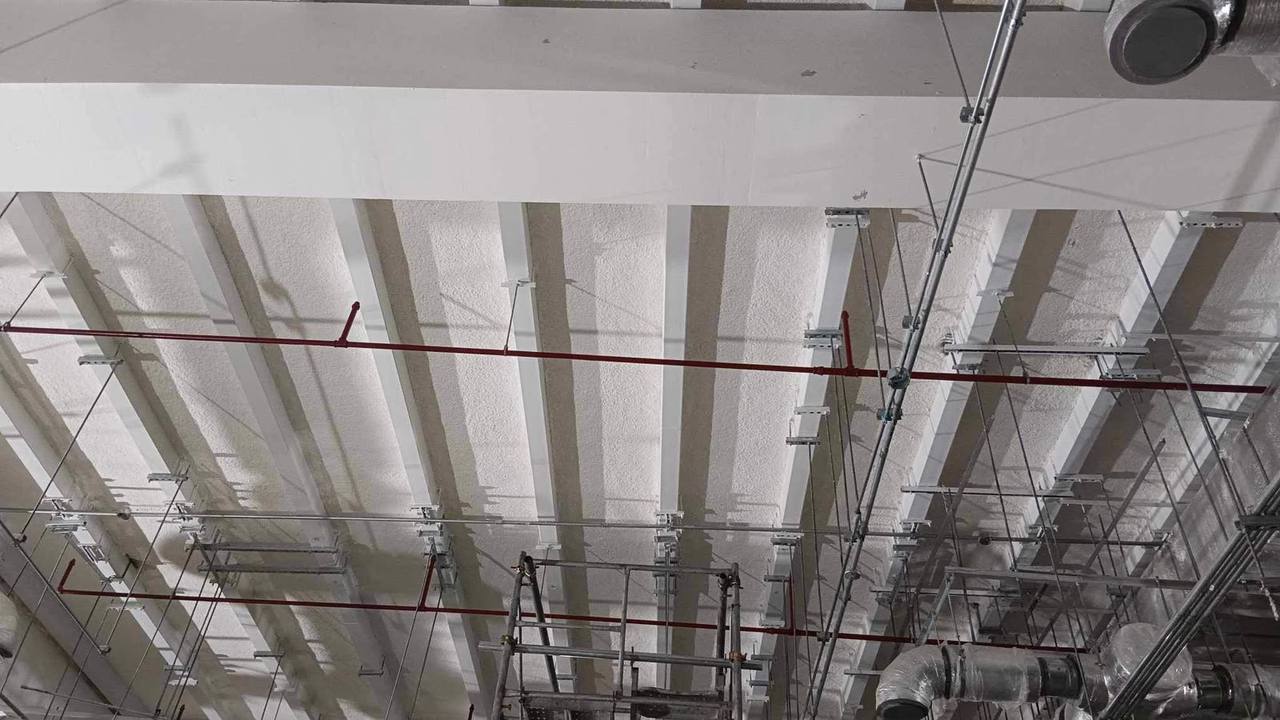
Industrial Facility
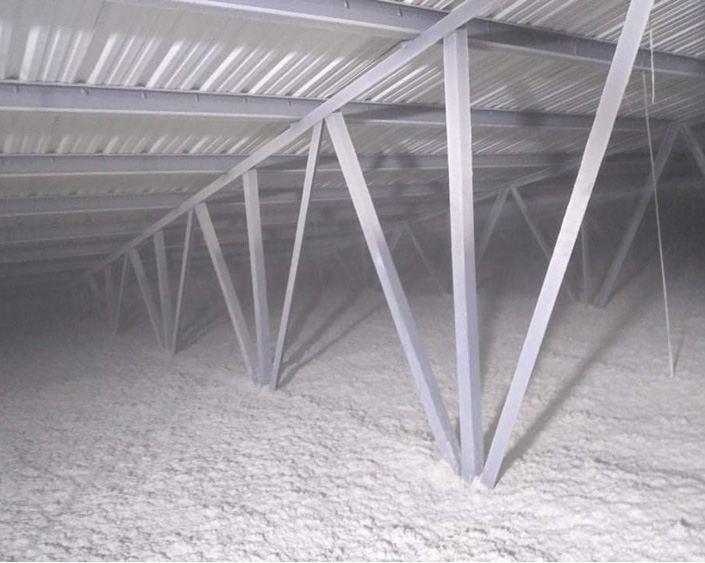
Underside of metal roof sheeting insulated to reduce heat transfer through the metal roof above the operational floor.
Cut the heat before it gets in.
Share your plans, photos or project details and we'll help define the right HeatSHIELD specification for your space — from thickness and coverage to finish and next steps.
Request a Quote