Insulation and air-conditioning costs: what to actually expect
30 April 2026 · Innovative Fibre Industries
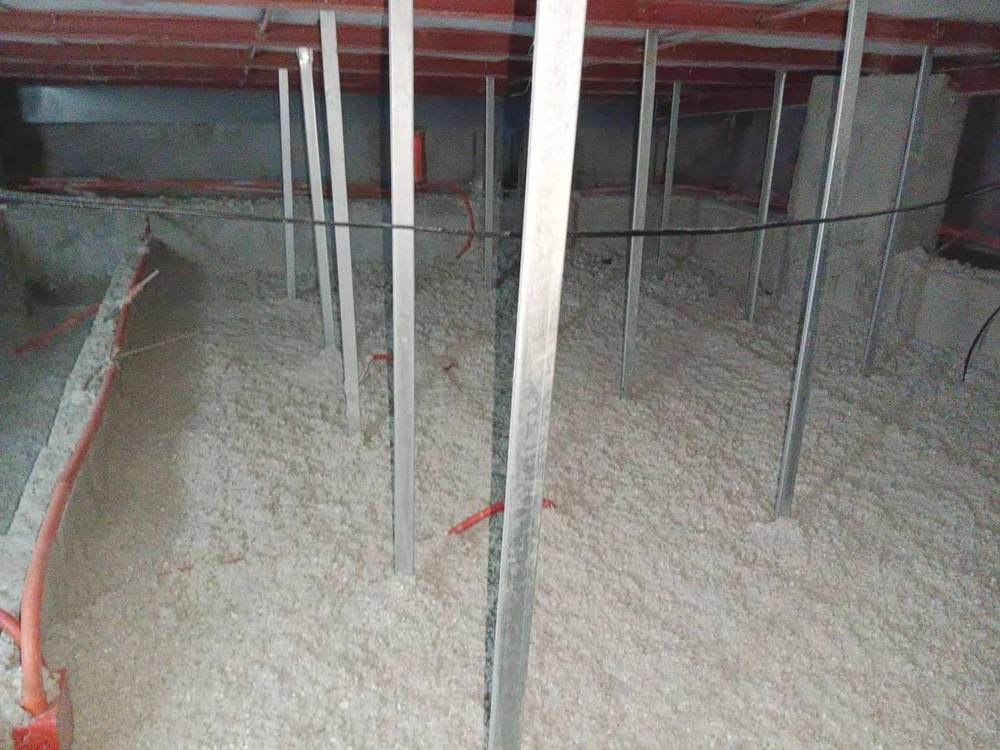
Roof insulation changes the cooling load, not the weather. Here is how to think about the payback honestly.
The question every homeowner and facility manager asks is the right one: what does this save me? The honest answer is that it depends on the building, and anyone who gives you a single percentage without asking about your roof is guessing.
Where the heat comes from
In a typical Philippine building the roof is the dominant heat gain path. It faces the sun for the whole day, it is usually thin metal, and it radiates directly into the space below or into a roof void that then bakes the ceiling. Walls and glazing matter, but they are second-order compared with an uninsulated roof at two in the afternoon.
What insulation actually changes
It reduces the rate at which heat crosses the ceiling plane. Two consequences follow. The air-conditioning runs less to hold the same setpoint, which is the saving people talk about. And the peak load drops, which is the one that matters at design stage — a building with an insulated roof can often be served by smaller plant, and that capital saving frequently exceeds several years of running-cost savings.
How to estimate honestly
Start from your current situation. If the roof space is uninsulated and the ceiling is warm to the touch in the afternoon, the change will be obvious and immediate. If there is already a functioning insulation layer, adding more gives diminishing returns — R-value improvement is linear with thickness but the effect on total heat gain is not, because other paths become dominant.
The non-financial part
Most residential clients report the comfort change before they report the bill change: upstairs rooms become usable in the afternoon, the temperature difference between floors drops, and the aircon stops cycling hard. That is worth something even where the payback arithmetic is modest.
Every IFI recommendation starts with an assessment of your building — type, usage, environment and what you are actually trying to fix.
Request an assessment and we will give you a thickness and a number, not a brochure.More insights
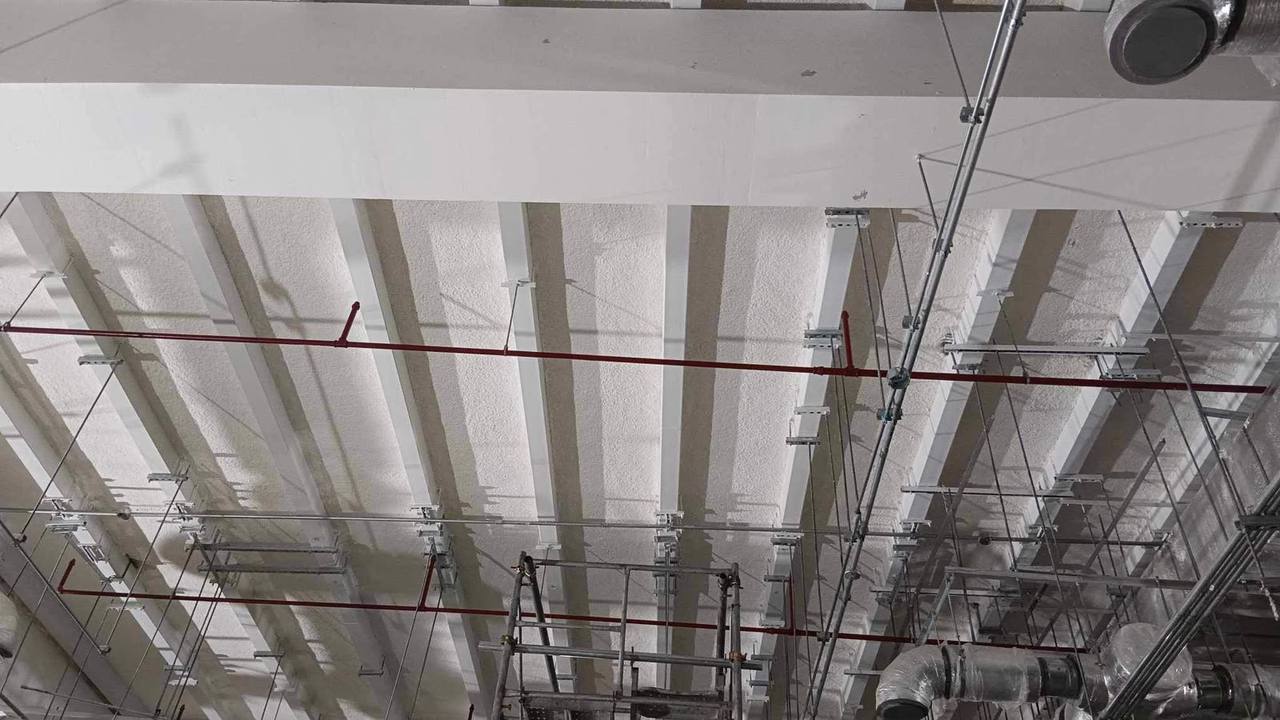
Why rain on a metal roof is so loud here — and what actually stops it
Rain noise is not a roofing defect. It is an acoustic problem with an acoustic solution, and the fix has to sit on the underside of the sheet.
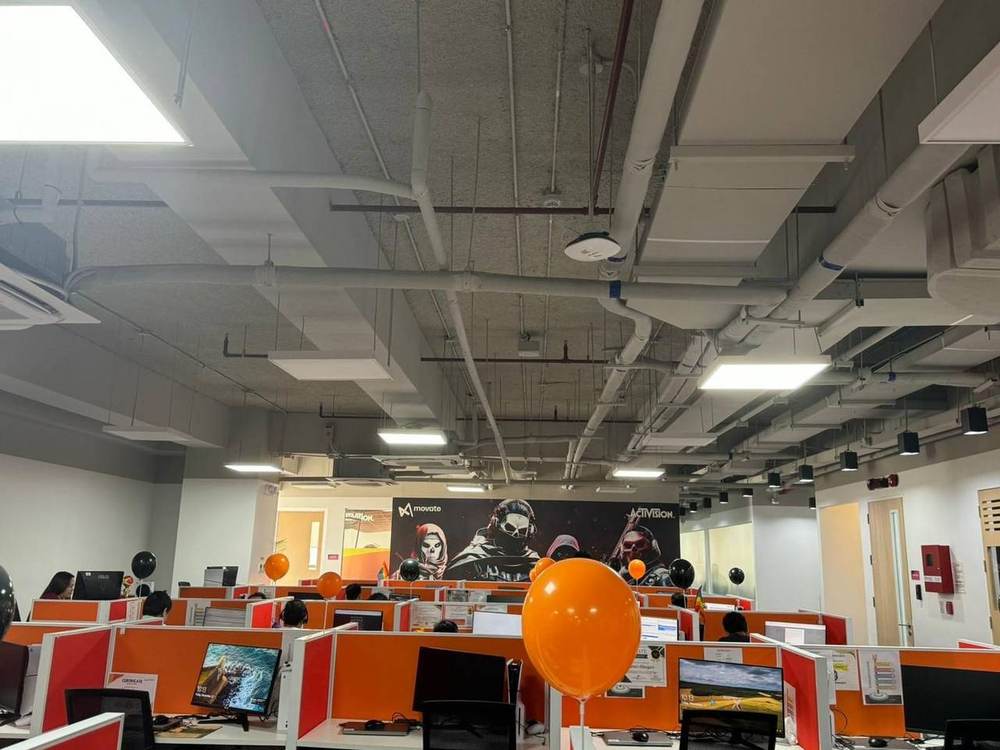
What to specify for call-centre acoustics — a practical guide
Open-plan contact centres fail acoustically in predictable ways. Here is what to put in the specification before the fit-out starts.
Heat stress in broiler houses: the ceiling is the lever you are not pulling
Ventilation gets the attention and the budget. The ceiling plane decides whether the ventilation can do its job.
Tell us about your building
Share your plans, photos or project details and we'll help define the right SHIELD system for your space — from thickness and coverage to finish and next steps.
Request a Quote