Why rain on a metal roof is so loud here — and what actually stops it
12 June 2026 · Innovative Fibre Industries
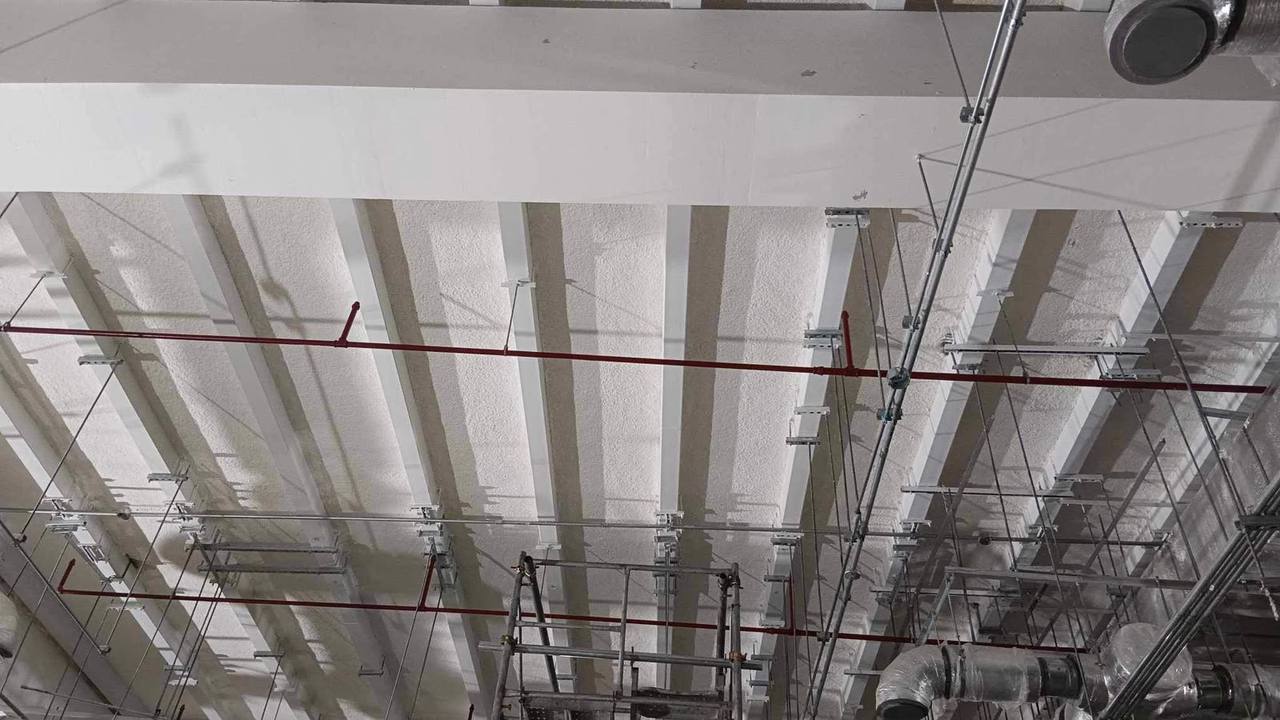
Rain noise is not a roofing defect. It is an acoustic problem with an acoustic solution, and the fix has to sit on the underside of the sheet.
Almost every building in the Philippines with a metal roof has the same conversation at some point in the wet season: a downpour arrives and the room becomes unusable. People stop taking calls. Classes pause. In a broiler house the flock reacts. The instinct is to blame the roof installation — but a correctly installed roof does this too, and no amount of re-fixing sheets will change it.
What is actually happening
A profiled metal sheet is a large, thin, stiff panel with almost no mass. Each raindrop is a small impact, and the sheet radiates that impact into the space below as airborne sound. Thousands of impacts per second across a large roof plane become a broadband roar. The energy is concentrated in the mid and high frequencies — exactly the range that interferes with speech.
Why the usual answers underperform
Foil-faced bubble wrap and thin blankets are widely used under sheeting. They are primarily vapour and radiant-heat products; against impact noise they are simply not thick enough to absorb much energy. A suspended acoustic ceiling helps the room but leaves the roof void as a resonating cavity, and any penetration — a light, a diffuser, a return-air path — lets the noise straight through.
What works
Absorption applied directly to the underside of the sheeting, thick enough to matter, and continuous enough that there are no bypass paths. Spray-applied cellulose does this well for three reasons. It follows the profile of the sheet exactly, so there is no air gap acting as a drum cavity. It can be built to a specified thickness — and absorption climbs sharply with thickness, from NRC 0.55 at 16 mm to NRC 1.00 at 64 mm. And because it is sprayed rather than fitted, it closes around purlins, bracing and hangers instead of leaving the gaps a cut panel leaves.
How to specify it
For rain noise in an occupied commercial space, start at 38 mm and expect to specify 50–64 mm where the space is speech-critical or the roof plane is large. You also get the thermal benefit for free: at 64 mm the same material is doing R-9.2 of work against roof heat gain. In practice most clients who install for rain noise report the cooling improvement first.
Every IFI recommendation starts with an assessment of your building — type, usage, environment and what you are actually trying to fix.
Request an assessment and we will give you a thickness and a number, not a brochure.More insights
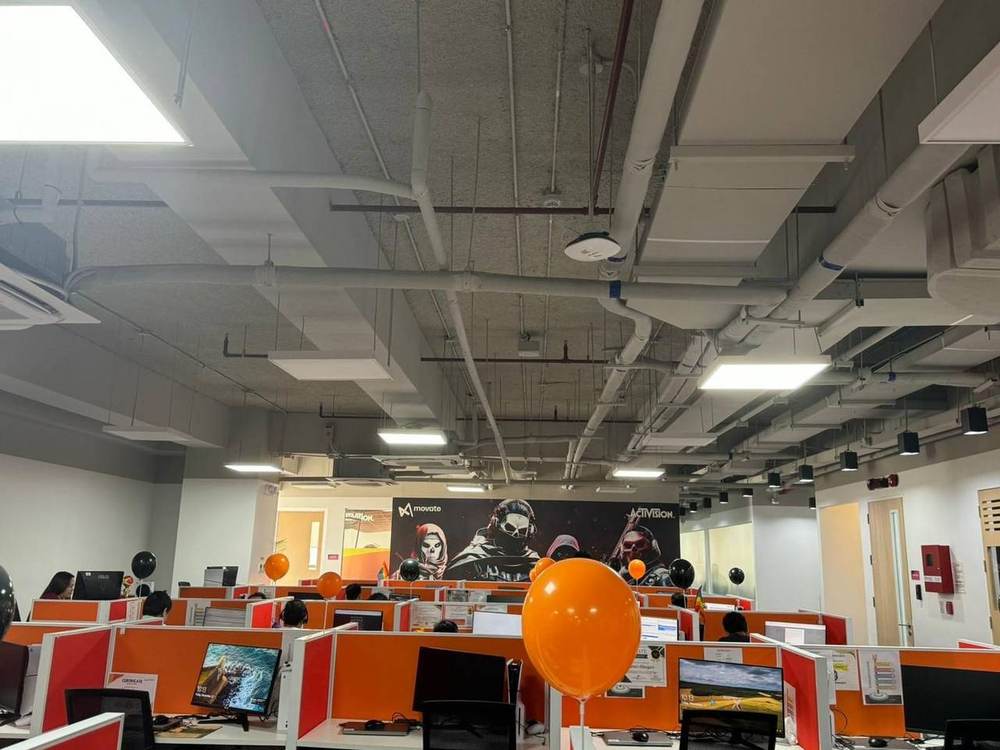
What to specify for call-centre acoustics — a practical guide
Open-plan contact centres fail acoustically in predictable ways. Here is what to put in the specification before the fit-out starts.
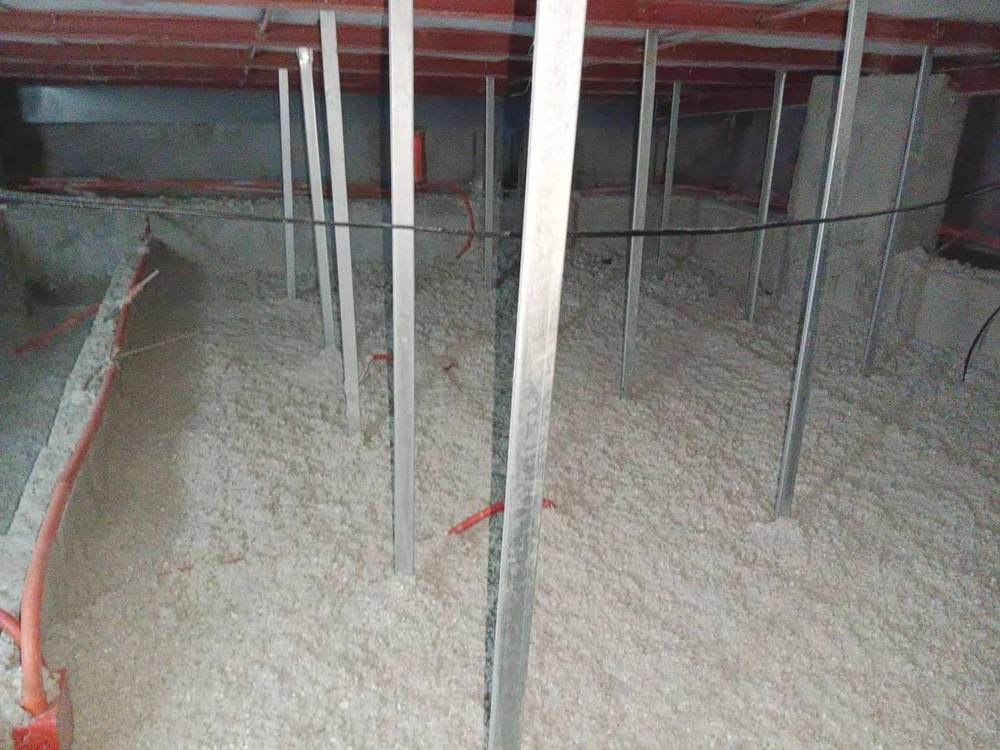
Insulation and air-conditioning costs: what to actually expect
Roof insulation changes the cooling load, not the weather. Here is how to think about the payback honestly.
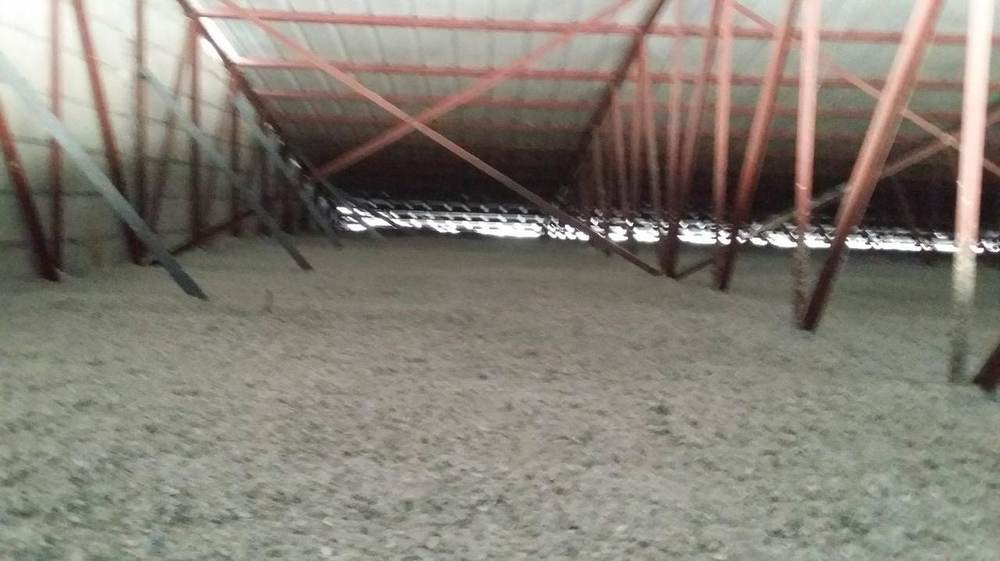
Heat stress in broiler houses: the ceiling is the lever you are not pulling
Ventilation gets the attention and the budget. The ceiling plane decides whether the ventilation can do its job.
Tell us about your building
Share your plans, photos or project details and we'll help define the right SHIELD system for your space — from thickness and coverage to finish and next steps.
Request a Quote